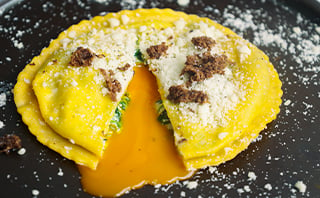
The Allure of Raviolo al Uovo: A Culinary Masterpiece at Home
Imagine a dish so elegant, so exquisitely simple yet profoundly rich, that it transports you straight to the heart of Italy's Emilia Romagna region. This is the magic of *Raviolo al Uovo*, or egg yolk ravioli – a true culinary jewel, famously refined by Michelin-starred chefs in the 1970s. Far from being an intimidating restaurant-only delicacy, creating a perfect plate of **homemade egg yolk ravioli** is an achievable and incredibly rewarding experience that promises to impress even the most discerning palates.
At its core, Raviolo al Uovo is an artful presentation of fresh, delicate pasta cradling a single, pristine egg yolk, often nestled within a vibrant spinach and ricotta cloud. The moment you pierce the pasta, the golden yolk gracefully spills out, mingling with a light sauce to create an unparalleled creamy richness. This dish isn't just a meal; it's an experience – a luxurious indulgence that, despite its sophisticated appearance, is surprisingly accessible for the home cook. While it might sound challenging, the truth is that crafting your own homemade pasta and carefully enclosing the delicate yolk is more about patience and attention to detail than advanced culinary acrobatics. Let's embark on this journey to Italian perfection, bringing Michelin-inspired elegance into your kitchen.
Crafting the Perfect Homemade Egg Yolk Ravioli: Essential Ingredients & Preparations
The secret to truly exceptional **homemade egg yolk ravioli** lies not just in technique, but equally in the quality of your ingredients. Think of it as building a masterpiece; you need the finest paints and canvas.
The Heart of the Dish: Quality Ingredients
Given this is a dish with Michelin-star origins, aspiring to "Michelin-star quality" ingredients is an excellent guiding principle. Start with your eggs – free-range, organic eggs will offer the most vibrant yolks and superior flavor. For the traditional filling, fresh spinach is highly recommended. Its bright, earthy notes and tender texture are superior, but if fresh isn't an option, high-quality frozen spinach can work in a pinch, provided it's thoroughly drained. Pair this with a creamy, fresh ricotta cheese for that essential textural contrast and mild sweetness.
Perhaps one of the most underrated ingredients in this recipe is nutmeg. Whether freshly grated from a whole nutmeg or a quality pre-ground variety, its warm, slightly sweet, and aromatic notes elevate the spinach and ricotta filling to another dimension. Do not omit it; it's a subtle yet crucial flavor enhancer that truly binds the components. By investing in the best available ingredients, you're laying the foundation for an unforgettable culinary creation.
Mastering the Pasta Dough
The pasta itself is perhaps the most critical component, serving as both the vessel and a key textural element. Opting for homemade pasta is non-negotiable for this dish; its fresh, supple texture is incomparable to store-bought varieties. While a classic egg pasta dough is wonderful, don't shy away from variations. Spinach pasta, for example, adds an extra layer of flavor and a beautiful green hue that contrasts stunningly with the golden yolk. Other options include saffron pasta for a golden touch or even beet pasta for a vibrant pink. The choice is yours, allowing for creative personal expression.
Once your dough is mixed, a crucial step often overlooked by impatient cooks is allowing it to rest. A minimum of 10 minutes (some chefs recommend longer) under a bowl or wrapped in plastic film allows the gluten to relax and develop. This resting period is vital; it ensures your dough will be pliable, elastic, and easy to roll without tearing, resulting in that silky-smooth consistency characteristic of authentic Italian pasta. For a comprehensive guide on making and handling fresh pasta dough, including various types and techniques, you might find value in our detailed article:
Homemade Egg Yolk Ravioli: Simple Steps for a Decadent Meal.
When it comes to rolling, a pasta machine is your best friend. Always start with the widest setting and gradually move to thinner settings. Be mindful of your machine's numbering system – some brands use '1' for the widest, others '7'. A good rule of thumb for thickness is when you can hold the sheet of dough up to the light and just barely see your fingers through it. The dough should be thin enough to be delicate but robust enough not to tear when cooked or handled. Avoid going too thin, as this can lead to breakages and unwanted yolk casualties.
Assembling Your Decadent Ravioli: Tips for Success
The moment of truth arrives when you transition from dough and filling to the actual assembly of your **homemade egg yolk ravioli**. This stage requires a steady hand and a keen eye for detail, but it's far from insurmountable.
The Filling: Protecting Your Golden Yolk
After preparing your spinach and ricotta mixture (ensuring it's well-seasoned and firm enough to hold its shape), the precision of its placement is key. Using a piping bag or even a simple zip-top bag with the corner snipped off will allow you to create neat, consistent mounds of filling. This precision helps to form a perfect "nest" for the delicate egg yolk.
Once the mounds are piped onto your pasta sheet, carefully create a small well in the center of each. This well is where your egg yolk will reside. Gently transfer each yolk into its individual nest. This is the moment to be truly deliberate. While it’s possible to salvage a yolk that drips slightly outside its designated flour well, it can quickly become messy and tricky to manage, compromising the final aesthetic and making sealing more difficult. Focus on keeping the yolk intact and centered for the best results.
Sealing the Deal: Ensuring a Perfect Burst
Once the yolks are nestled, it's time to seal the ravioli. This is a critical step to ensure that the yolk remains contained until it's ready to burst on the plate. Lightly moistening the edges of the pasta dough around each filling mound with a little water is absolutely essential. This acts as a natural glue, helping the two pasta sheets adhere securely. You can use a pastry brush or even just your fingertip for this.
Carefully lay a second sheet of pasta dough over the filled sheet. Starting from the center of each raviolo, gently press down around the filling, expelling any air pockets, and working your way outwards to seal the edges completely. You can use your fingers, a ravioli stamp, or a pastry wheel to cut and seal. A good seal prevents water from seeping in during cooking and, more importantly, keeps that precious yolk from escaping prematurely. For those exploring variations or facing specific dietary needs, our guide on handling delicate pasta dough and alternative options might be helpful:
Perfect Oozing Yolk Ravioli: Gluten-Free & Easy Homemade Guide. Remember, any leftover pasta dough scraps should not be discarded; simply gather them, let them rest under a bowl for 10 minutes, and then re-roll for more ravioli or other pasta shapes.
Beyond the Basics: Elevating Your Raviolo Experience
While the allure of the classic spinach and ricotta with a perfectly oozing yolk is undeniable, the beauty of **homemade egg yolk ravioli** lies in its versatility. Once you've mastered the foundational technique, you can explore countless ways to customize and enhance this magnificent dish.
Consider the accompanying sauce. A simple butter and sage sauce is a timeless pairing, allowing the richness of the yolk and the freshness of the pasta to shine. Browned butter with a hint of lemon zest adds brightness, while a light, fresh tomato sauce can provide a delightful tang. For an ultimate indulgence, a shaving of fresh black truffle or a drizzle of truffle oil just before serving can transform your dish into an even grander affair. You might also experiment with adding different cheeses to your ricotta mixture, such as Parmesan or Pecorino Romano, or infusing the ricotta with finely chopped herbs like chives or parsley.
Another exciting avenue for experimentation is the pasta itself. As mentioned, spinach pasta adds color and flavor, but think about vibrant beet-infused pasta for a stunning red hue, or saffron pasta for a golden glow and subtle aroma. The visual impact of these colorful pastas, especially when contrasted with the bright yellow yolk, is truly breathtaking.
Finally, don't forget about presentation. A single, perfectly cooked raviolo, glistening in a light sauce, perhaps garnished with a sprig of fresh sage or a sprinkle of cracked black pepper, makes for a stunning appetizer or a sophisticated main course. The journey of making **homemade egg yolk ravioli** is one of discovery, skill, and ultimately, immense satisfaction.
Conclusion
Creating **homemade egg yolk ravioli** is a culinary adventure that rewards effort with an exquisite dining experience. From the careful selection of ingredients to the meticulous crafting of the pasta and the delicate assembly of each raviolo, every step contributes to a dish that is both deeply personal and universally admired. This Michelin-inspired masterpiece, once thought to be reserved for professional kitchens, is indeed within your grasp. Embrace the process, savor the aroma, and delight in the moment that golden yolk spills onto your plate. You're not just making pasta; you're crafting an unforgettable memory, one decadent bite at a time.